AI Scheduling Tools for Independent Pharmacies: What Actually Works
AI SCHEDULING AND DISPATCH TOOLS FOR INDEPENDENT PHARMACIES: WHICH ONES FIT YOUR OPERATION AND WHY
You're losing money every day to scheduling and dispatch work that doesn't have to be manual. Your technicians are stuck on the phone, prescriptions sit in will-call, your delivery driver wastes 45 minutes a shift on routes that don't make sense, and you're not sure which of the AI tools flooding your inbox would actually fix your specific problem. This report cuts through the vendor claims and shows you exactly which tools fit independent pharmacies—and more importantly, which ones don't.
Where Your Money's Actually Leaking
Your pharmacy has four primary cost leaks, and they're probably costing you between 8 and 15 percent of your daily profit. First: technician time vanishes into phone queues and will-call abandonment. Between 10 and 20 percent of prescriptions your customers filled never get picked up, and your staff spends hours on the phone chasing people down or managing missed calls. That's staffing expense with zero revenue attached. Second: manual delivery routing is adding 45 minutes or more to every route your driver completes. No optimization logic, just experience and intuition. Third: your staff scheduling doesn't match your actual volume patterns. You're overstaffed on slow days and under-resourced when the rush hits, which means wasted wages and burned-out technicians. Fourth: when you do buy a tool, the implementation cost sits on your books for months because it doesn't connect cleanly to your existing systems.
The clearest leak for most independent pharmacies is the delivery routing problem. If you're running 8 or more stops per route and doing it manually, you're leaving 30 to 50 minutes of driver time on the table every single day. Multiply that across a week, and you're paying for a full route that generates zero additional revenue. The will-call abandonment leak runs deeper but quieter—you never see the money you didn't make, so it feels normal. But it's not. A modern independent pharmacy running 200+ prescriptions a day should be pushing 85 to 90 percent fill-to-pickup conversion. If you're at 75 percent, that's real revenue walking out the door.
The Tools That Actually Fit Independent Pharmacies
Six tools dominate the independent pharmacy market: PioneerRx, RedSail, Asepha, Onfleet, Locus, and Pharmesol. They don't all do the same thing, and fit depends on your operation's actual profile. If you fill 500 or more prescriptions a day and you're already running a modern cloud-based pharmacy management system like PioneerRx, then dispatch and scheduling tools with real-time routing and demand forecasting are worth serious evaluation. You have the volume to justify the cost and the infrastructure to make integration work. If you fill 200 or fewer prescriptions a day and your PMS is legacy on-premise software, lighter workflow automation through your PMS vendor beats purpose-built AI dispatch tools. The friction of connecting separate systems will outweigh the benefit.
If delivery is your primary bottleneck—meaning you run a high-delivery operation regardless of prescription volume—Onfleet and Locus have the clearest practical case. Both tools specialize in route optimization and consistently cut 20 to 30 minutes from manual planning. If you serve a lot of elderly or chronic-disease patients, Asepha and similar tools with automated refill reminders sound attractive, but the evidence that they actually prevent abandonment is still thin. RedSail and Pharmesol occupy a middle ground: they're tighter integrations with specific PMS platforms, which means easier implementation but less flexibility if you change systems down the road.
The fit logic is simple: match the tool's strength to your actual bottleneck, not to feature lists or vendor promises. The full report breaks down the implementation sequence, the compliance traps specific to independent pharmacies, and the risk matrix for each tool so you can calculate real ROI before you commit.
- Every tool named and evaluated — PioneerRx, RedSail, Asepha, Onfleet, Locus
- Which tools fit independent pharmacies specifically and which quietly fail
- The compliance traps and implementation risks specific to your slice
- A sequenced recommendation — what to buy first, what to wait on, what to avoid
- Confidence ratings on every finding so you know what's solid
Delivered as a PDF immediately after purchase. No subscription. No upsell.
Finding Confidence Distribution
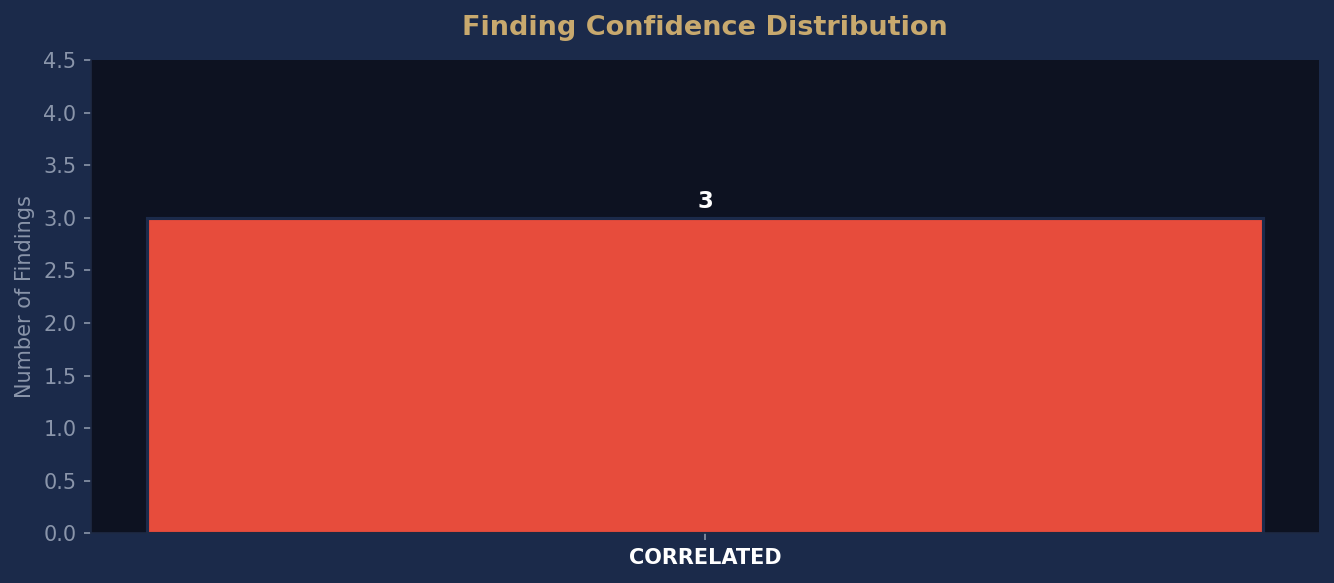
Distribution of causal confidence ratings across all findings in this report.
- Every AI tool named and evaluated — not placeholders, actual product names
- Which tools fit Independent Pharmacies specifically and which ones quietly fail
- The compliance traps and implementation risks specific to your practice area
- Conditional recommendations — which tool fits your specific operation and why
- Confidence ratings on every finding so you know what's solid and what needs validation
Delivered as a PDF immediately after purchase. No subscription. No upsell.
Full report PDF emailed to you immediately after purchase.